Southwark Comes Together for Nature: 2024-2026
After the historically parching hot summer of 2026, many of us may be taking stock, and counting our losses. Yet at the same time, we can also see that there has been a huge number of positive gains for nature in Southwark over the past two years.
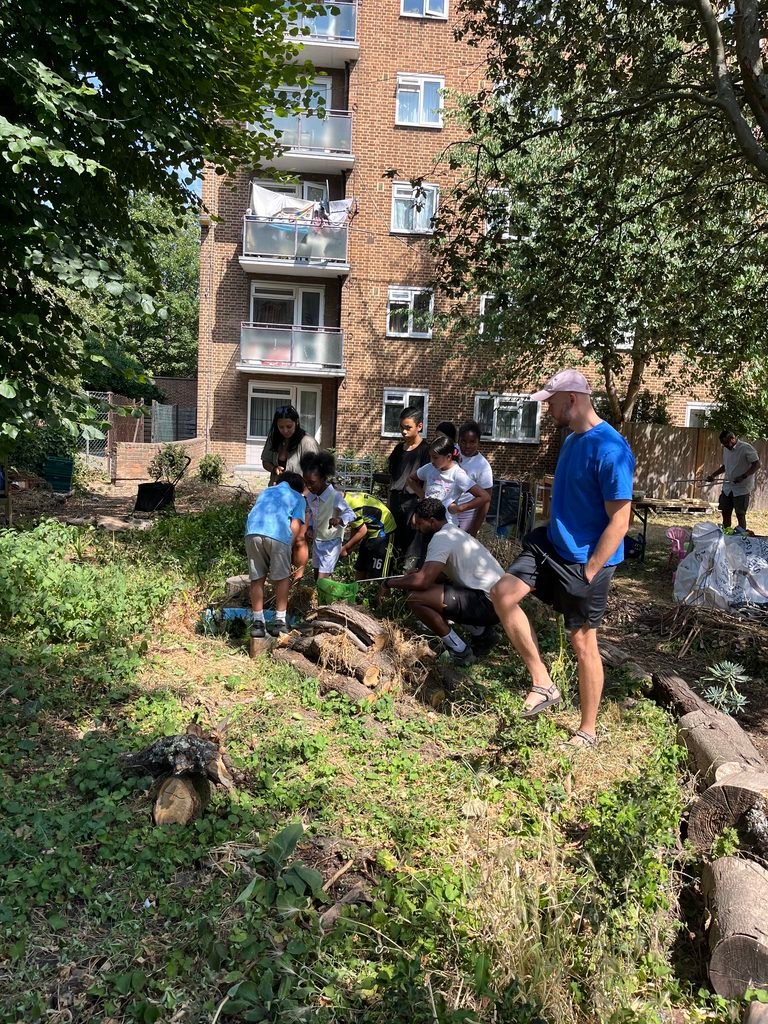
Most of these gains have come about through people working together, sharing skills, getting inspired, and/or simply refusing to give up on places they care about. Thanks to everyone in Southwark who has given their time and energy to help make and keep things green and growing!
Creating habitat and connecting communities
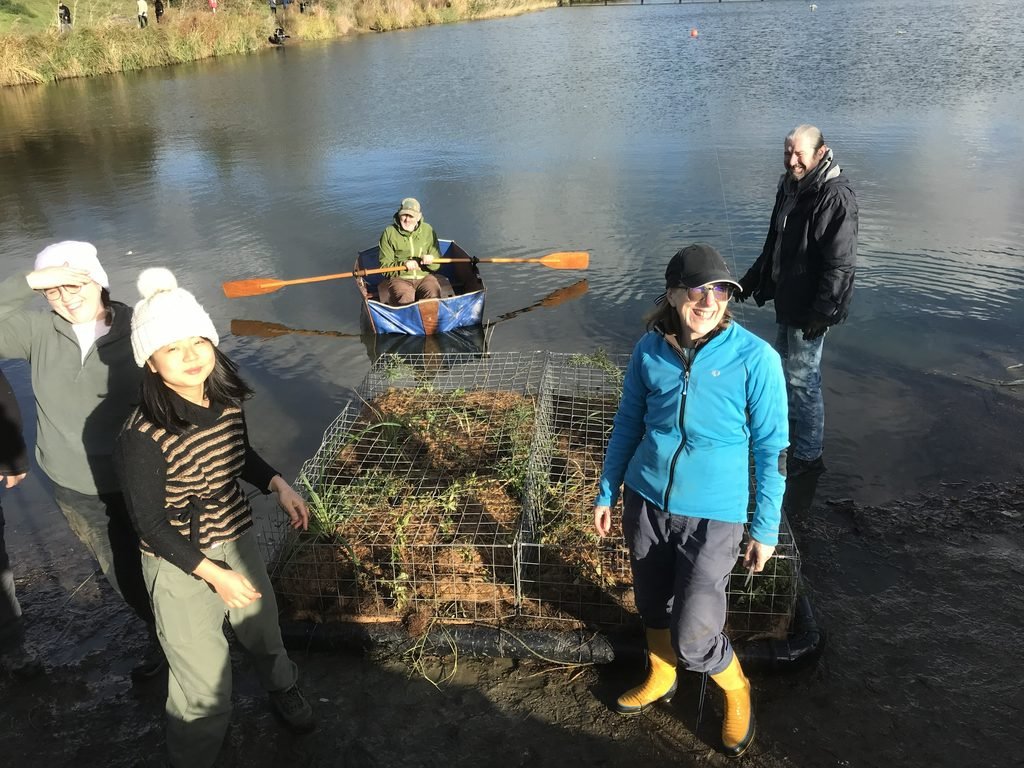
At Burgess Park, Susan, Max and Simon, working with Friends of Burgess Park, rebuilt the lake’s floating islands after the first ones were enthusiastically eaten by wildfowl. Rather than abandon the idea, they experimented with new DIY designs to create floating habitat that could survive its hungry residents.
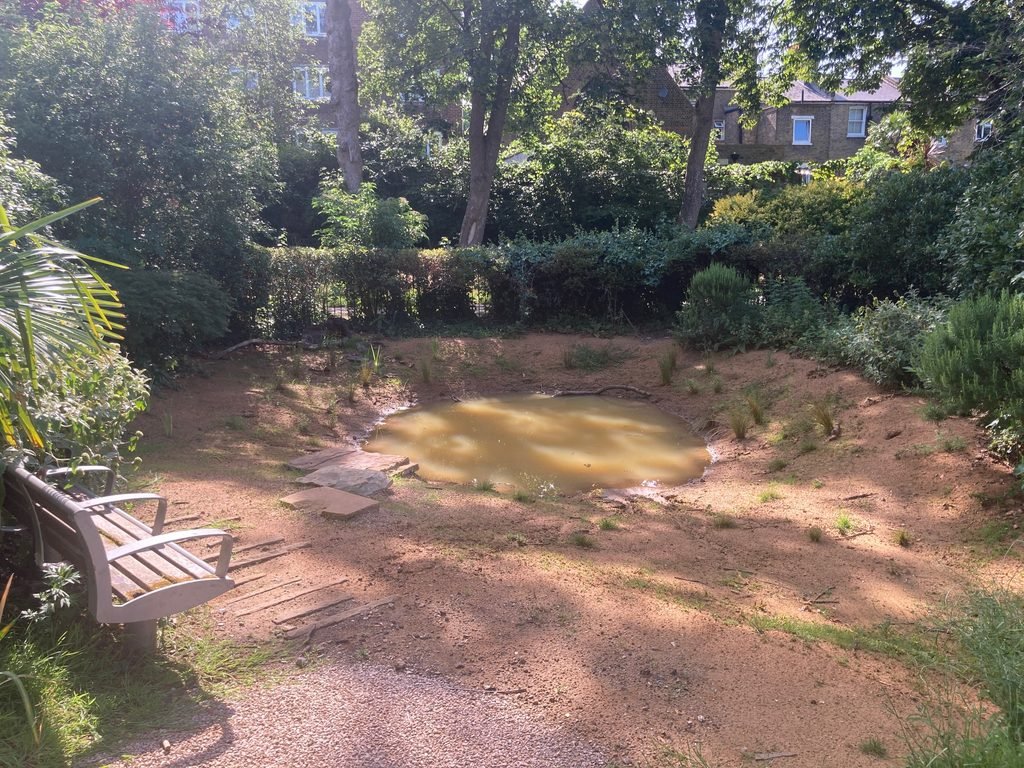
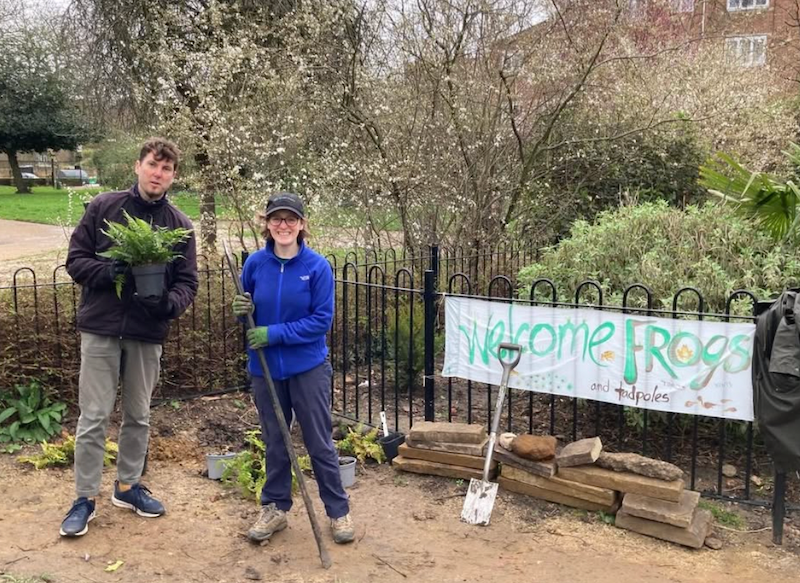
At Brunswick Park, SNAVers Anna, Laura, Alex, Jenny, Pip and others worked with the Brunswick Park TRA to turn an over-paved corner of the park into a seasonal wildlife pond, with money from the Southwark Biodiversity Fund. The pond keeps rainwater in the landscape instead of sending it straight down the drain, and was heavily used by wildlife during this summer’s drought.
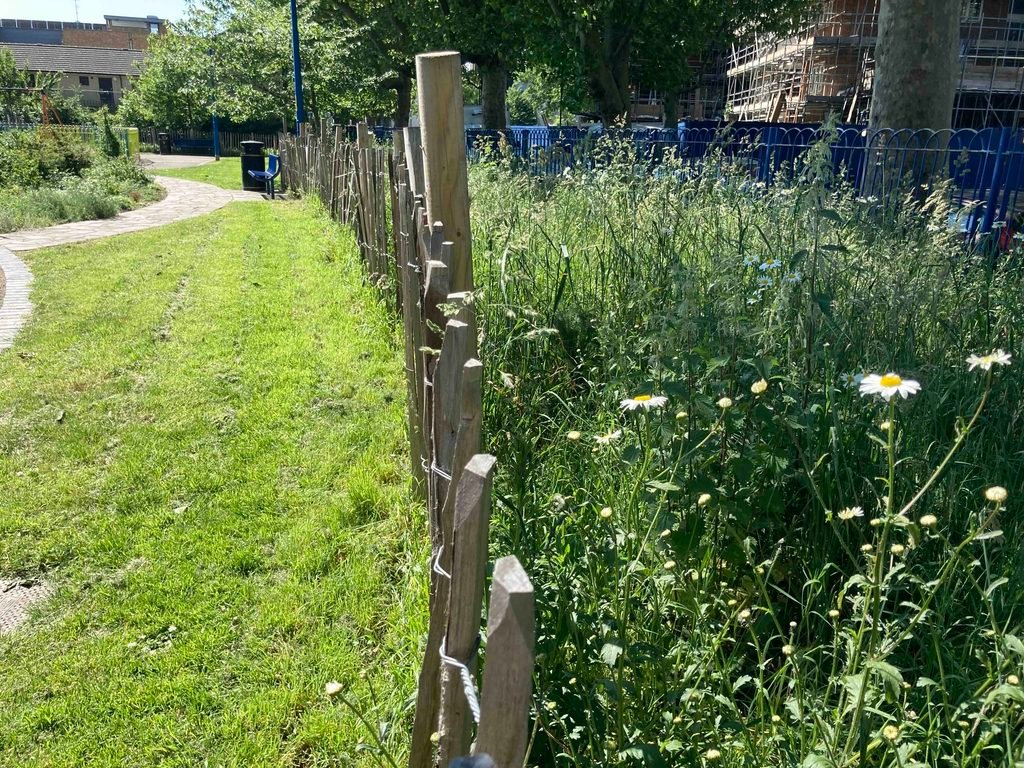
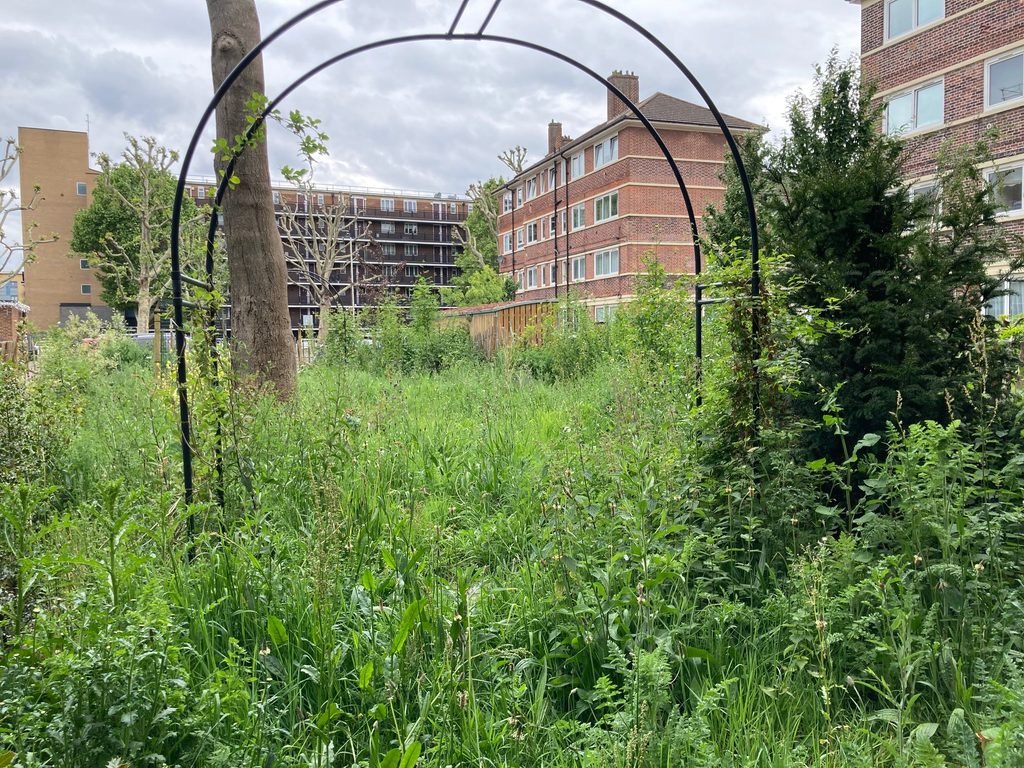
In Bermondsey, Trees for Bermondsey has campaigned to protect irreplaceable historic trees in London Bridge area, organised to revitalise Shuttleworth Park with de-paving and biodiverse planting, transformed fly-tipped tarmac at the entrance to Southwark Park into the now-thriving Moreton Gate Nature Garden, supported wildlife-friendly street planting and playgrounds, and helped sustain community gardens and orchards through the drought.
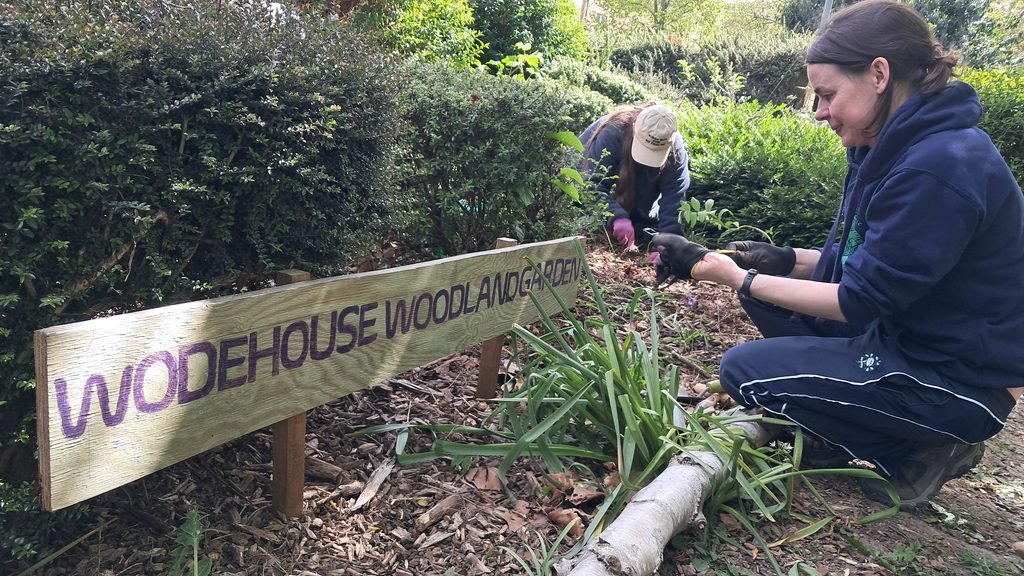
Elsewhere, Jenny and Friends of Kelly Avenue have continued transforming an unloved, over-trimmed verge into the Wodehouse Woodland Garden, while across Peckham Road Friends of Lucas Gardens created colourful new pollinator-friendly beds with local residents – all strengthening the emergence of the new Southampton Way Nature Corridor, helping connect Burgess Park to points South for wildlife.
Natural Estates
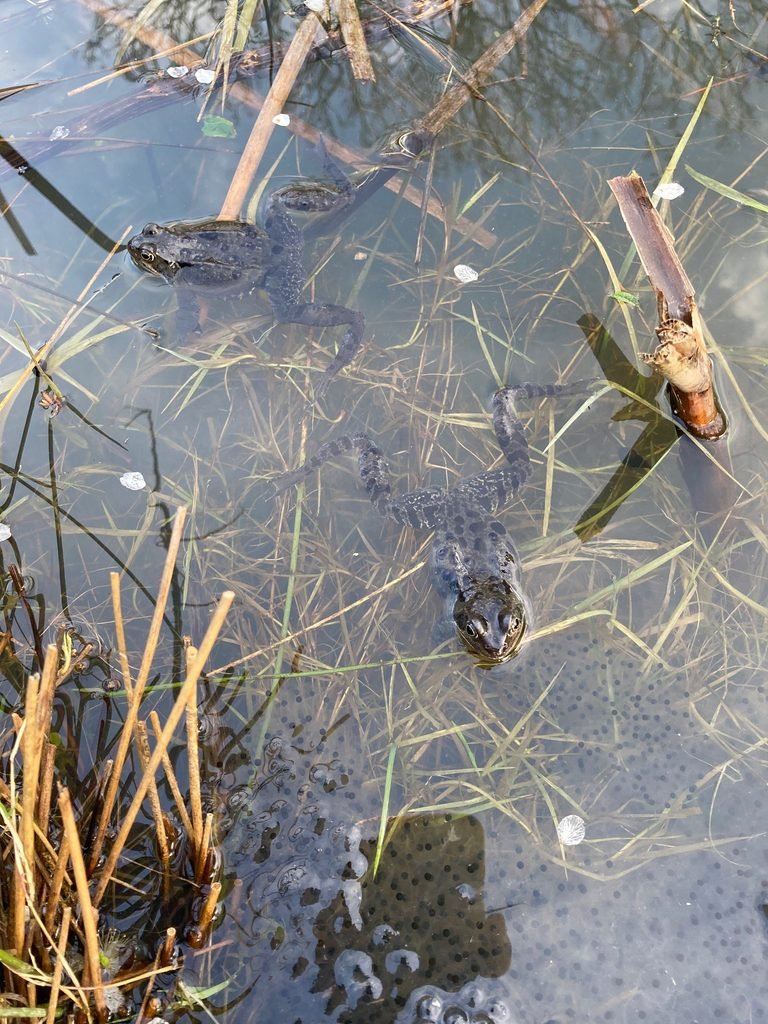
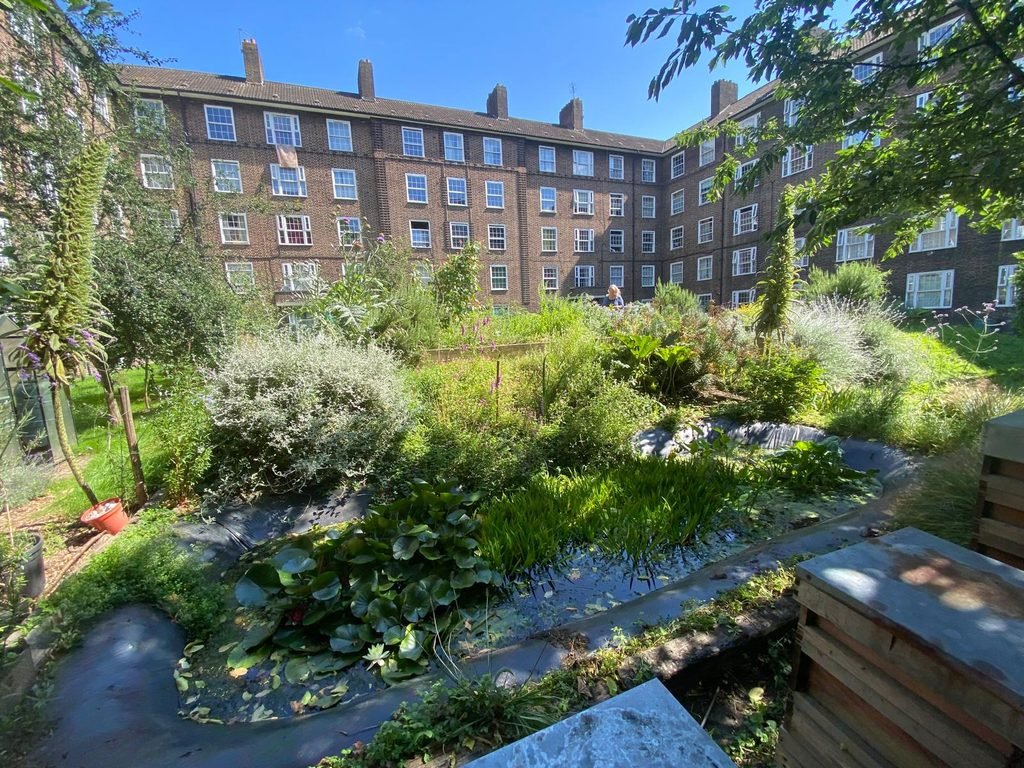
On the Rockingham Estate, Ian, Winston and other residents continued their long-running efforts, with improvements to the woodland garden, meadows, allotments and frog ponds gradually transforming the estate into a network of habitats that provide food, shelter and breeding and nesting for biodiversity, while creating greener, more welcoming places for residents.
More Joined Up
In East Dulwich, Pip volunteered to take on that crucial role of reaching out to engage and support other volunteers, and together they are keeping Lordship Lane’s new street-based planters tidy, beautiful, and friendly for pollinators and other invertebrates. Is there a verge, street planter, or over-paved corner in your area that could use some love – and some biodiversity? Contact SNAV to find out how you can help.
Behind the scenes, Kat has kept Southwark’s nature community connected through SNAV’s monthly Substack, combining excellent journalism with navigating a complicated pregnancy – and now life with a brand new baby. Congratulations, and thanks Kat!
Tracking Trends
Recording wildlife is just as important as creating habitat. Southwark has now passed 30,000 wildlife observations on iNaturalist, contributed by people across the borough. Every record helps build a better picture of the plants, animals and fungi living alongside us – and you don’t need to be an expert to take part. If you spot something interesting, take a photo and upload it to iNaturalist. Your observation becomes another small piece of evidence showing what lives in Southwark and where.
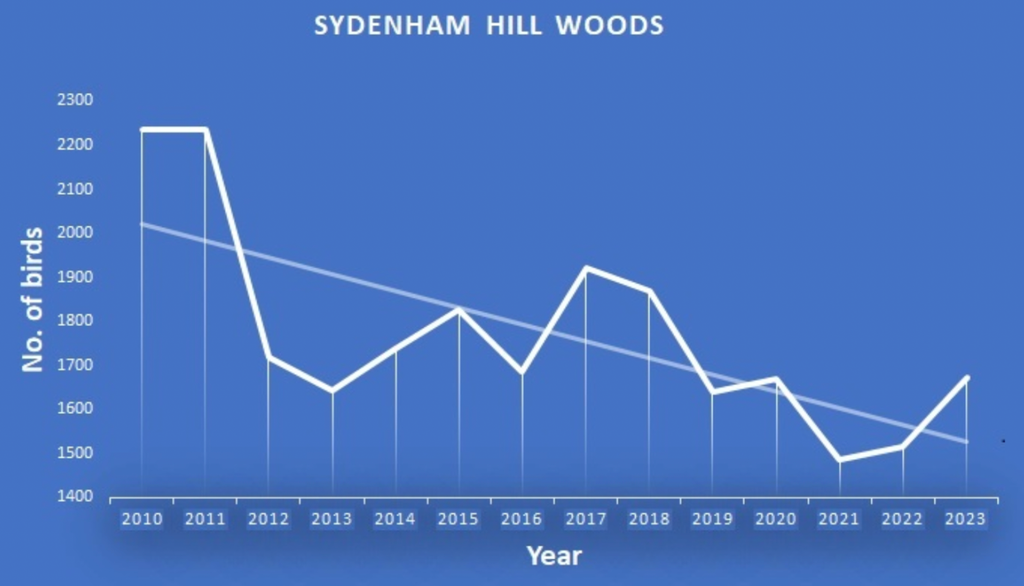
Dave Clark concluded decades of dedicated bird recording in Dulwich this year. His findings not only reveal extremely worrying, rapid population declines of 25% over only 12-20 years, but also demonstrate why recording matters: without people consistently noticing, counting and documenting wildlife, we may not realise what we are losing until much of it has already gone.
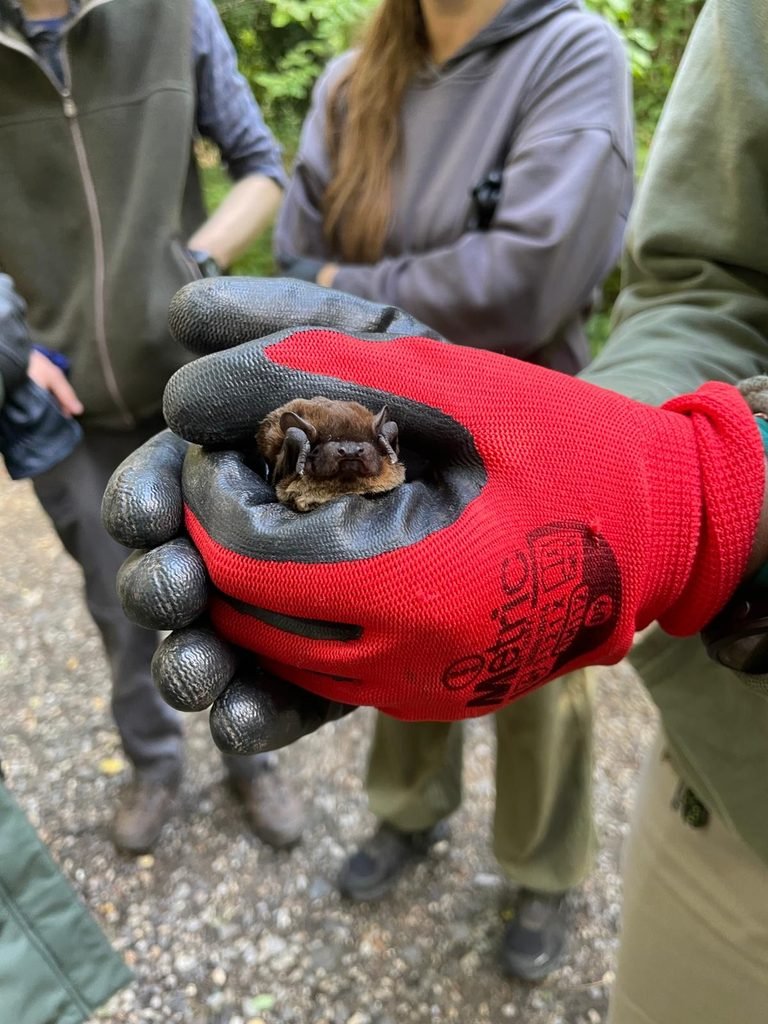
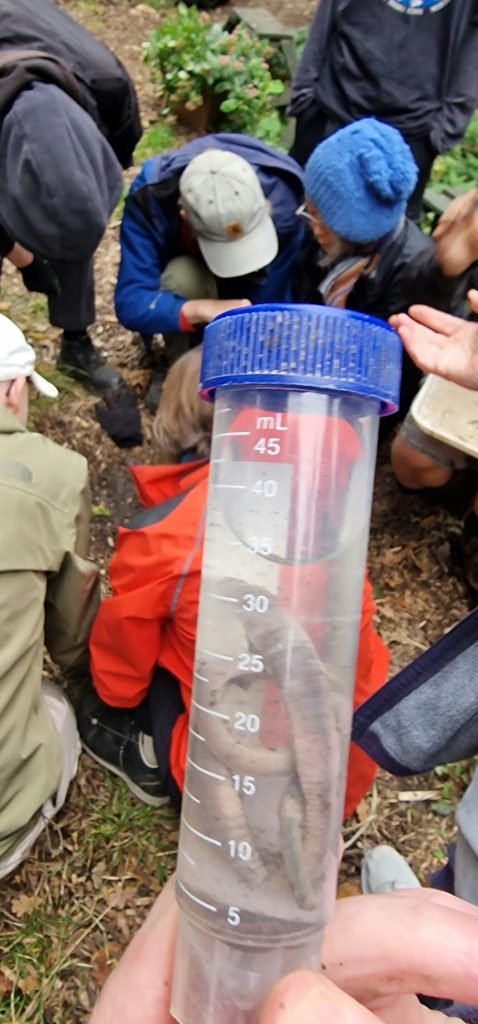
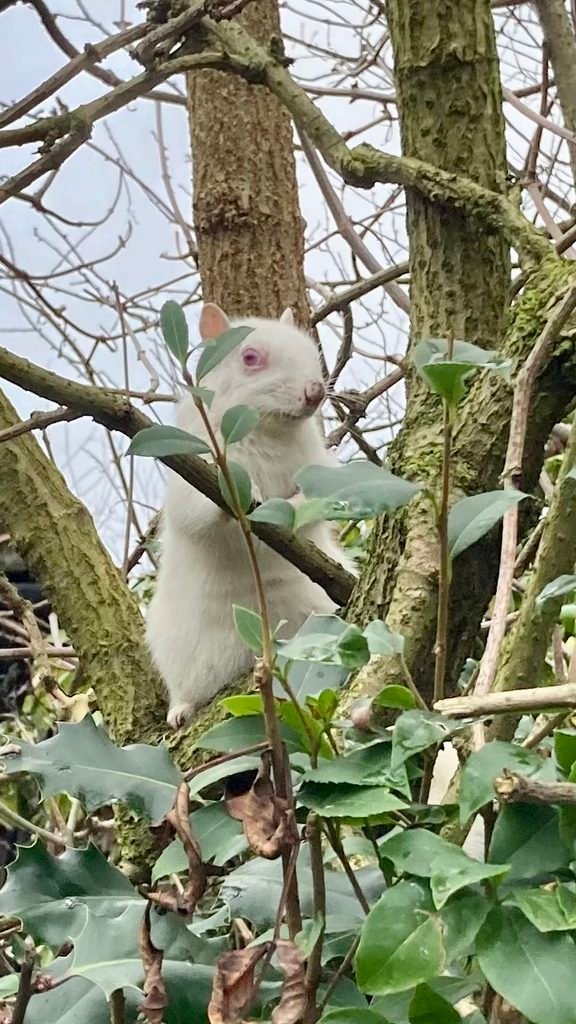
In 2025-6, many people came to see and document Brunswick Park’s first albino squirrel since 2012. Bioacoustic monitoring next to the proposed pond site in June 2025 also established a baseline of more than 20 bird and bat species all using this small urban park, even before the new pond was established.
Sarah organised Project Nightwatch in Bermondsey and Rotherhithe, and brought expert naturalists and local people together for popular summer bat watches across the north of the borough, helping more people to recognise and enjoy the acrobatic efforts of our common pipistrelles, soprano pipistrelles, long-eared brown bats, noctules and more.
Pip and Steven are among Southwark’s star wildlife photographers – taking and sharing great photos is essential for helping people understand, appreciate and engage with local biodiversity.
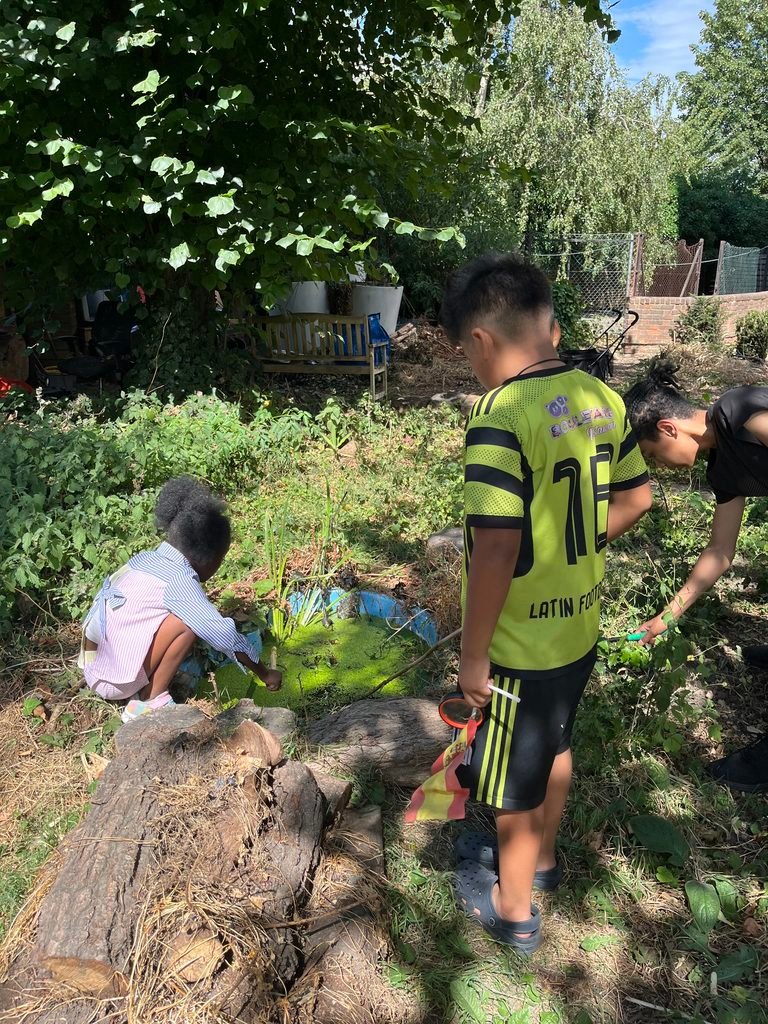
Children got involved as well: bug hunts at Camberwell Triangle Garden and St George’s Primary introduced young naturalists to identifying and recording the creatures living around them.
Larger organisations have been busy too
Southwark Council’s hard-working biodiversity officers have overseen the distribution of over £550K to support community biodiversity projects across the borough, advised on BNG planning applications as well as major projects in highways and parks, delivered habitat-based projects including ponds and hedgerows, and undertaken a review to properly recognise, sustain, and support all of the borough’s Sites of Importance for Nature Conservation.
Southwark’s dedicated Community Gardening officers have supported the creation of 8 new community gardens over the past two years, and the sustaining of many more, and initiated the The Burgess Park Community Plant Nursery – now run by Glengall Wharf Garden and funded by the Council, supplying free plants and growing packs to community groups and schools. London Wildlife Trust has appointed a new Woodland Recovery Officer for our borough, funded by the council. And thanks to our dedicated tree officers, we are now the first inner-London borough to exceed 100,000 council-managed trees, gamely negotiating the challenge of organising follow-on care during increasingly extreme weather.
The London Wildlife Trust won a sizeable grant from the National Lottery and worked with Dulwich Estate and Southwark Council as well as many local volunteers, to deliver some significant woodland recovery and nature connectivity to one of Southwark’s most valuable habitats.
The Dulwich Estate has also commissioned new ecological surveys and introduced new habitat projects– while London Wildlife Trust, SLUG, BOST, TCV, Walworth Garden, Surrey Docks Farm, the JAGS gardeners, many Parks Friends groups, and others continue practical conservation, education and community work across Southwark.
Perhaps the most encouraging thing is that this huge range of activity doesn’t belong to any one organisation. It is residents, volunteers, park friends groups, estates, charities, schools, council officers, contractors and local organisations pooling their knowledge and energy. We know we haven’t even mentioned a lot of the wonderful work that others have done, often against the odds. There are many hardworking individuals and groups helping to keep Southwark healthy and green, and there is still an enormous amount to do.
Thanks again everyone – let’s keep the momentum going!